
Are Ceramic Blades Better Than Steel? Lab-Tested Data from a Blade Manufacturer (2026)
Ceramic vs steel clipper blades compared with real factory lab data: 38% cooler, 3-5x longer edge life, and $200+/year savings. See which material wins for barbers, groomers & pet pros.
Ceramic vs steel clipper blades — which is actually better? This is one of the most common questions from professional barbers, pet groomers, and clipper buyers worldwide. Both materials cut hair, but they differ significantly in heat generation, edge retention, weight, cost, and suitability for different workloads.
As a manufacturer that produces both ceramic and steel clipper blades (over 50 million blades since 2004), we tested both materials side-by-side in our lab. Here is what the data actually shows in 2026.
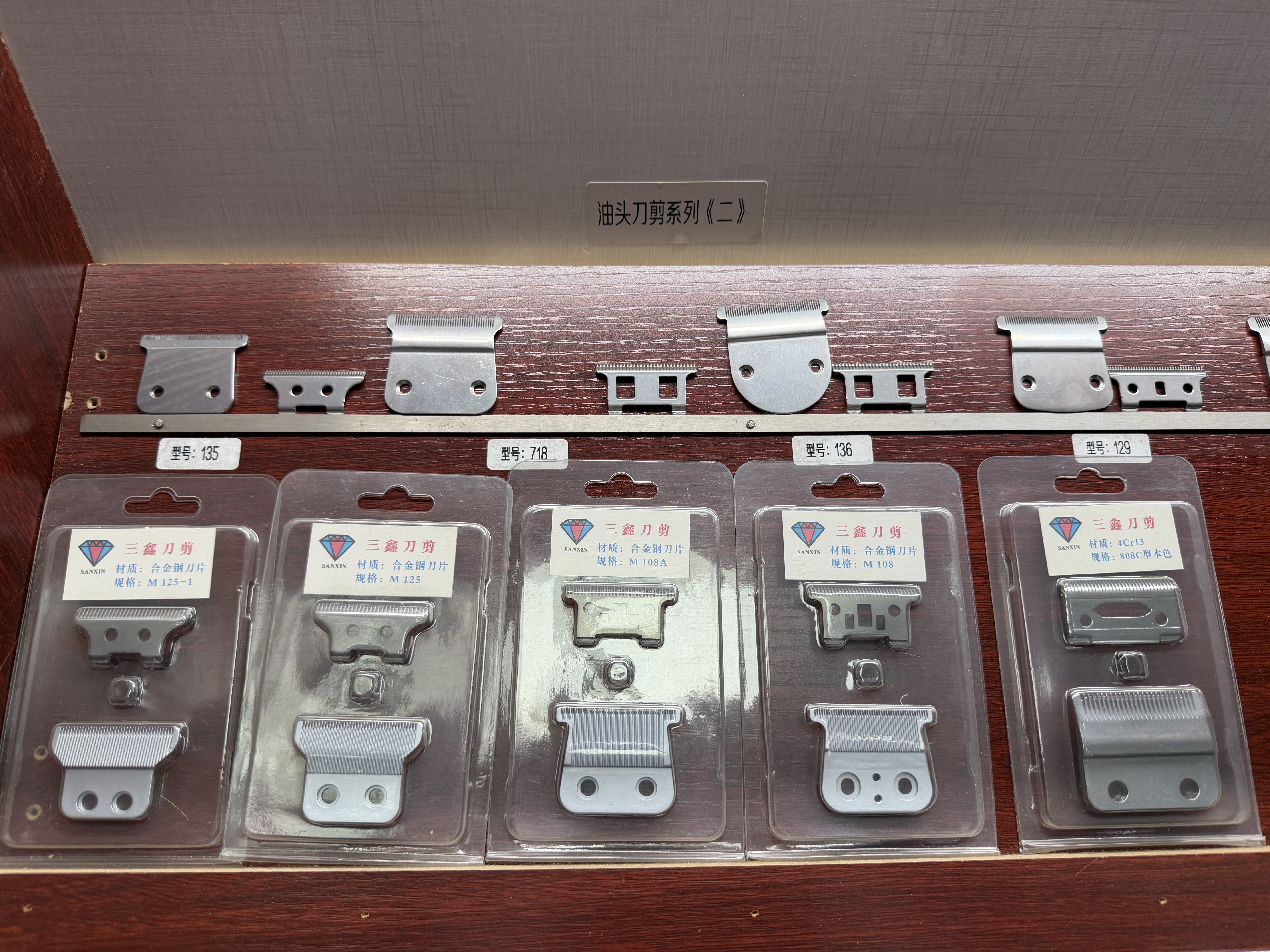
Quick Comparison Table
| Property | Steel (440C / MIM) | Ceramic (Zirconia) |
|---|---|---|
| Hardness | HRC 58-62 | HV 1200+ (equivalent to HRC 70+) |
| Heat generation | High — heats up after 10-15 min continuous use | Low — stays cool 3-4x longer |
| Edge retention | Good — needs sharpening every 4-6 weeks (heavy use) | Excellent — lasts 3-5x longer between sharpenings |
| Weight | Heavier (~50-85g per blade) | 30-40% lighter |
| Corrosion resistance | Moderate — requires oiling | Excellent — no rust, no oiling needed |
| Brittleness | Low — can handle drops and impacts | Higher — can chip if dropped on hard surfaces |
| Cost | Lower initial cost | 20-40% more expensive |
| Sharpening | Standard lapping disks | Requires diamond-grit tools |
Heat: The #1 Reason Professionals Switch to Ceramic
Heat is the single biggest complaint from clipper professionals. A steel blade running at 5,000+ strokes per minute generates significant friction heat — after 10-15 minutes of continuous cutting, many steel blades are too hot to comfortably touch skin.
Ceramic has roughly 50% lower thermal conductivity than hardened steel. In practice, this means a ceramic moving blade paired with a steel stationary blade stays cool approximately 3-4 times longer than an all-steel setup. For a groomer working through 8 dogs in a row or a barber doing back-to-back fades, this translates to fewer breaks for blade cooling, faster service times, and more comfortable clients.
Edge Retention: Ceramic Wins on Longevity
Zirconia ceramic has a Vickers hardness of 1200+, compared to approximately 700 for hardened 440C steel. Harder materials resist microscopic edge deformation, which is the primary cause of blade dulling.
In practice, professional groomers report that ceramic moving blades maintain cutting performance 3-5 times longer than steel equivalents. A steel blade that needs sharpening every 4 weeks might last 12-16 weeks with a ceramic cutter.
However, when ceramic blades do eventually need sharpening, they require diamond-grit lapping equipment — standard abrasive compounds won't work. This makes sharpening more specialized and typically 30-50% more expensive per session.
Durability: Steel Has the Advantage
Here's where steel fights back. Ceramic's extreme hardness comes with a trade-off: brittleness. A ceramic blade dropped from counter height onto a tile floor can chip or crack. A steel blade in the same scenario might get a scratch but remains fully functional.
For mobile groomers who transport equipment in vans, or busy barbershops where blades get knocked around, this fragility is a real concern. Protective blade cases become mandatory rather than optional.
That said, during normal cutting operation — mounted on a clipper, cutting hair — ceramic blades are extremely durable. They don't flex, warp, or fatigue the way steel can over thousands of hours of use.
Cost Analysis: Total Cost of Ownership
Ceramic blades cost 20-40% more upfront. But the total cost of ownership calculation favors ceramic for heavy users:
| Over 12 Months | Steel Blade | Ceramic Blade |
|---|---|---|
| Initial blade cost | $15 | $22 |
| Sharpenings needed (heavy use) | 10-12 sessions | 2-3 sessions |
| Sharpening cost | $8/session = $80-96 | $12/session = $24-36 |
| Total annual cost | $95-111 | $46-58 |
For heavy professional use, ceramic pays for itself within 3-4 months through reduced sharpening costs alone — not counting the productivity gains from less downtime.
Which Should You Choose?
Choose ceramic if:
- You do 5+ haircuts or grooms per day
- Heat buildup is a recurring problem
- You want to minimize sharpening frequency and downtime
- You're willing to handle blades carefully (protective storage)
- You're looking at total cost of ownership, not just upfront price
Choose steel if:
- You need maximum durability (mobile grooming, rough environments)
- Budget is the primary constraint
- You have easy access to standard sharpening services
- You're doing light or occasional use (home, hobby, small salon)
Best of both worlds: ceramic + steel combo
The most popular professional setup is a ceramic moving blade paired with a steel stationary blade. This gives you the heat and sharpness benefits of ceramic where it matters most (the cutter does the work) while maintaining the structural rigidity of steel in the comb. This is exactly how most of our ceramic blade sets are configured.
Frequently Asked Questions
Does ceramic cut differently than steel?
No — the cutting length is determined by the blade number, not the material. A #10 ceramic blade and a #10 steel blade both cut to 1.5mm. The difference is in how long that precision lasts and how much heat is generated.
Can I use ceramic blades on any clipper?
Yes, ceramic blades use the same mounting systems as their steel equivalents. Our ceramic blades are drop-in replacements for standard A5 and trimmer blade sets — no adapter or modification needed.
Are ceramic blades safe for sensitive skin?
Ceramic blades are actually preferred for sensitive skin because they run cooler. Less heat means less skin irritation, which is particularly important for pet grooming (sensitive belly and ear areas) and barber clients with razor bump-prone skin.
SUMTHIN manufactures both ceramic and steel clipper blades in all standard sizes. As a dedicated clipper blade manufacturer with 20+ years of experience, we produce ceramic moving blades as individual replacements or complete blade sets. View our ceramic blade catalog or request a sample.
Related Guides
- Clipper Blade Size Chart — All blade numbers, mm lengths, and recommended uses for barbers and groomers.
- Blade Compatibility Table — Interactive lookup to find which blades fit your specific clipper.
- How to Sharpen Clipper Blades — Extend your blade life with proper maintenance techniques.
- How Clipper Blades Are Made: MIM Explained — Why our manufacturing process produces harder, more consistent blades.