
Products/Anchoring/Epoxy Anchor Adhesive 360
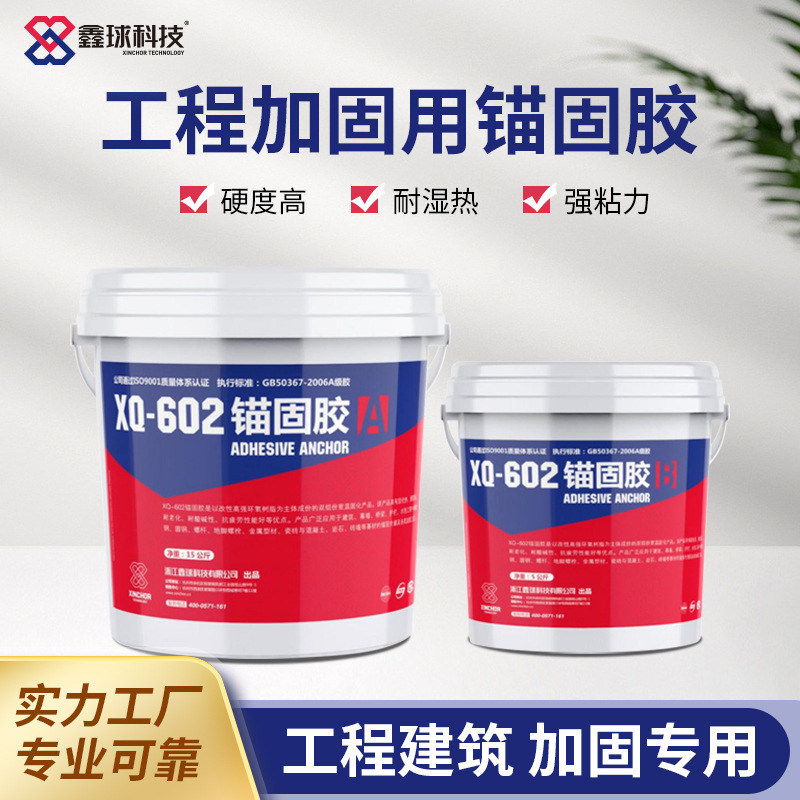
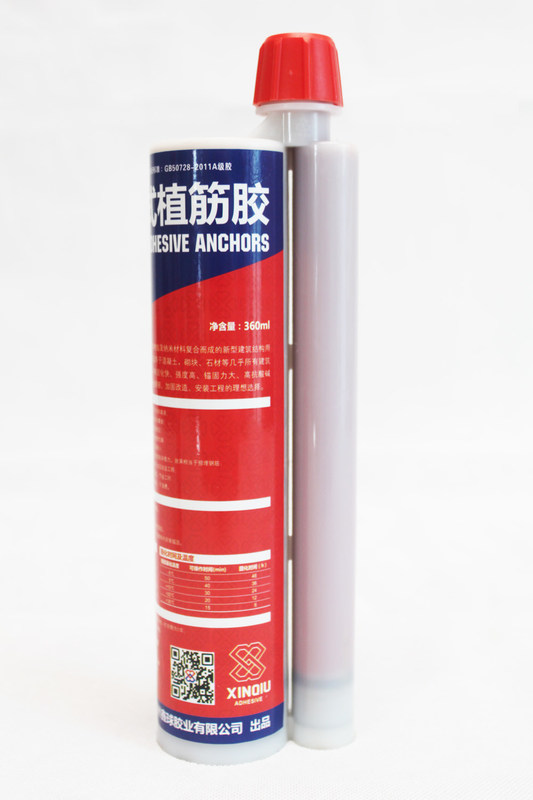
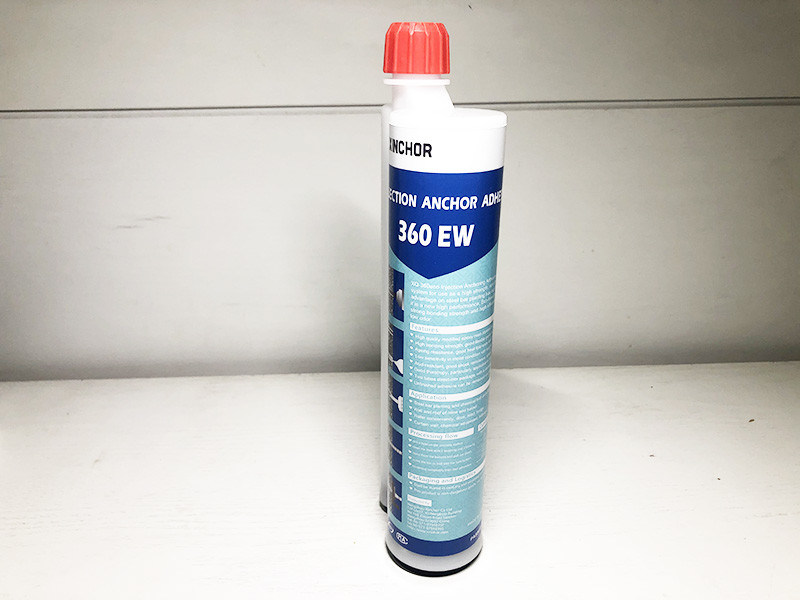
Epoxy Anchor Adhesive 360
Two-component injectable epoxy adhesive for rebar planting in concrete. 360ml cartridge with static mixer, suitable for rebar diameters 8–32mm.
| Bond Strength | ≥ 10 MPa (C25 concrete) |
| Compressive Strength | ≥ 80 MPa |
| Rebar Range | Ø8 – Ø32 mm |
| Cure Time | 24 h at 25°C (full load) |
| Working Time | 30 min at 25°C |
| Cartridge Volume | 360 ml / 585 ml |
| Mix Ratio | 3:1 (by volume) |
| Service Temperature | -40°C to +80°C |
Use with XINCHOR matched system components for full performance. TDS and MSDS available on request.
Chemical bonding eliminates wedge expansion forces, allowing close-to-edge and close spacing installation without concrete cracking — critical for structural retrofits.
Unlike mechanical anchors, the epoxy fills every void in the drilled hole. Our vinyl ester variant (V390) bonds even in damp conditions.
Tested to 100+ load cycles at 75% ultimate capacity. Qualified for seismic categories C1 and C2 per EAD 330499-01-0601.
Single cartridge system covers Ø8 to Ø32 mm rebar. Static mixer ensures consistent 3:1 mix ratio every time.
18-month shelf life at 5–25°C. Cartridge design prevents waste — use only what you need, recap and store.
As the manufacturer, we supply directly to contractors and distributors. No middleman markup. OEM/private label available.
Use a hammer drill (SDS+ or SDS Max) to drill a hole 4–6 mm larger than the rebar diameter. Drill depth = embedment length specified by the structural engineer (typically 10–20d).
Blow out dust with compressed air (2 cycles), then brush with a wire brush (2 cycles), then blow again. Proper cleaning is critical — dust reduces bond strength by up to 50%.
Insert the static mixer nozzle to the bottom of the hole. Inject from the bottom up to avoid air pockets. Fill to approximately ⅔ of the hole volume.
Push the rebar slowly with a twisting motion to the marked depth. Excess adhesive should squeeze out — this confirms the hole is fully filled.
Do not disturb during cure. At 25°C: gel time 6 min, working time 30 min, full load capacity at 24 hours. Lower temperatures require longer cure — see TDS for full cure schedule.
Private label / OEM packaging available from 500 cartridges. Custom cartridge colors and label design included at no extra charge.
What is the minimum embedment depth for rebar planting with epoxy?+
Minimum embedment depth depends on rebar diameter, concrete grade, and design load. Typical values: 10d for tension (e.g., 200mm for Ø20 rebar), 15d for lap splices. Always follow the structural engineer's specification. Our technical team can provide pull-out capacity calculations for your specific project.
Can I use epoxy anchor adhesive in wet or damp holes?+
Standard epoxy (XQ-ZJ-360) requires dry holes for optimal bond. For damp conditions, use our vinyl ester formula (XQ-ZJ-V390) which bonds to moisture-saturated concrete. For underwater applications, contact our engineering team for specialized solutions.
What is the difference between epoxy and vinyl ester anchor adhesives?+
Epoxy offers higher bond strength (≥10 MPa vs ≥8 MPa) and better chemical resistance, but requires dry holes and has longer cure times. Vinyl ester cures faster (full load at 12h vs 24h at 25°C), works in damp conditions, and costs less. Choose epoxy for critical structural connections; vinyl ester for speed and wet conditions.
How do I calculate how many cartridges I need?+
Volume per hole = π × (hole diameter/2)² × depth. For example: Ø25mm hole, 300mm deep = ~147ml per hole. One 360ml cartridge fills approximately 2 holes of this size (accounting for rebar displacement and waste). Our sales team provides a free calculation spreadsheet — contact us with your rebar schedule.
What is the shelf life and storage requirement?+
18 months from production date when stored at 5–25°C in original sealed packaging. Avoid direct sunlight and temperatures above 30°C. Opened cartridges with mixer removed can be recapped and used within 4 weeks.

Ready to Strengthen Your Next Project?
Get expert guidance and competitive quotes from our engineering team.